
ชุดสายสวนหลอดเลือดดำกลางบรรลุวัตถุประสงค์ทางการแพทย์ผ่านการทำงานร่วมกันของส่วนประกอบต่าง ๆ ได้อย่างไร
การวิเคราะห์องค์ประกอบหลักของชุด
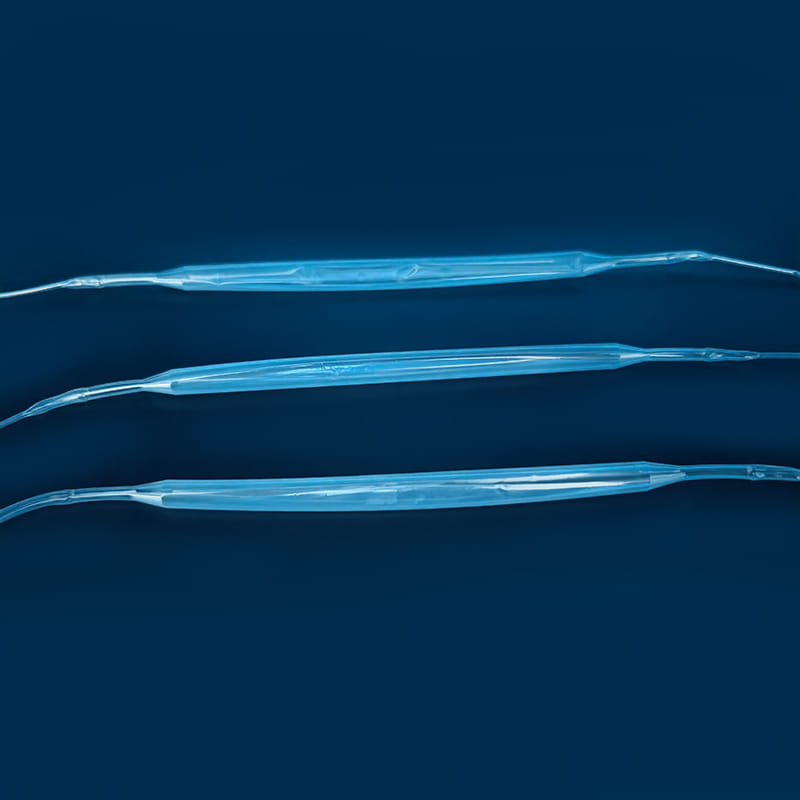
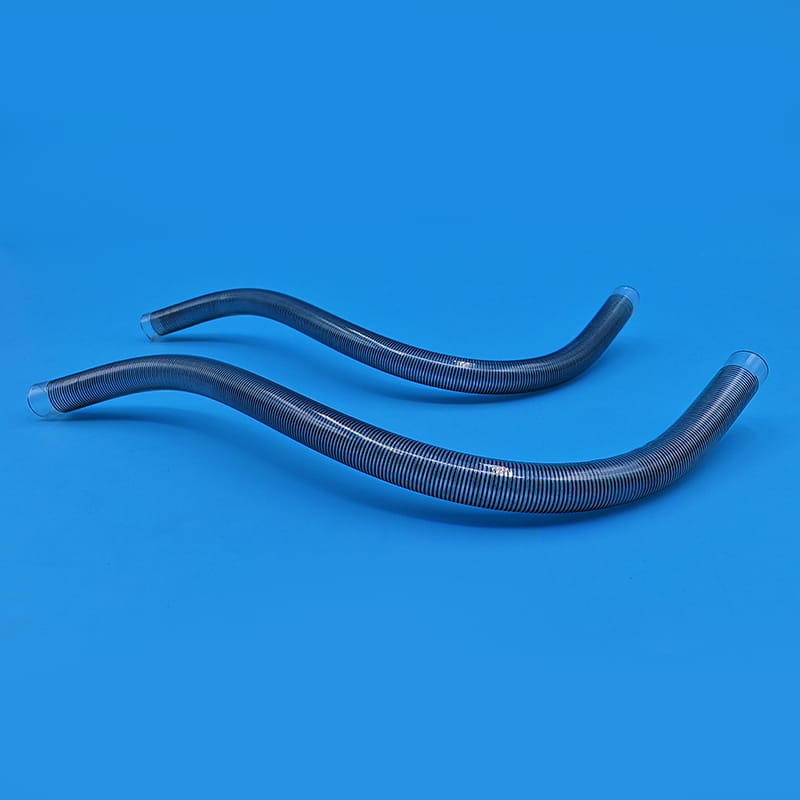
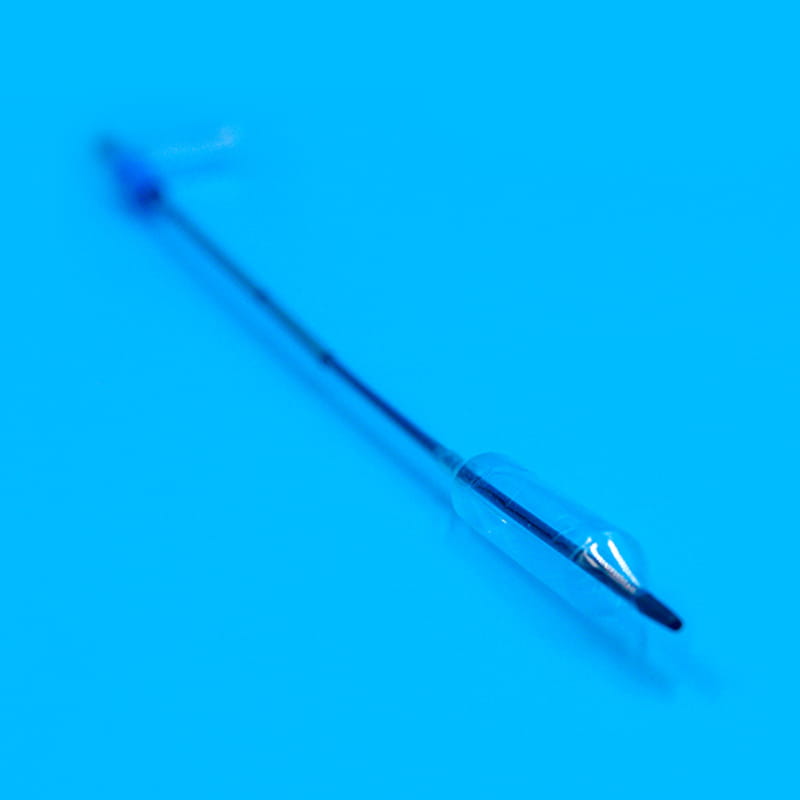
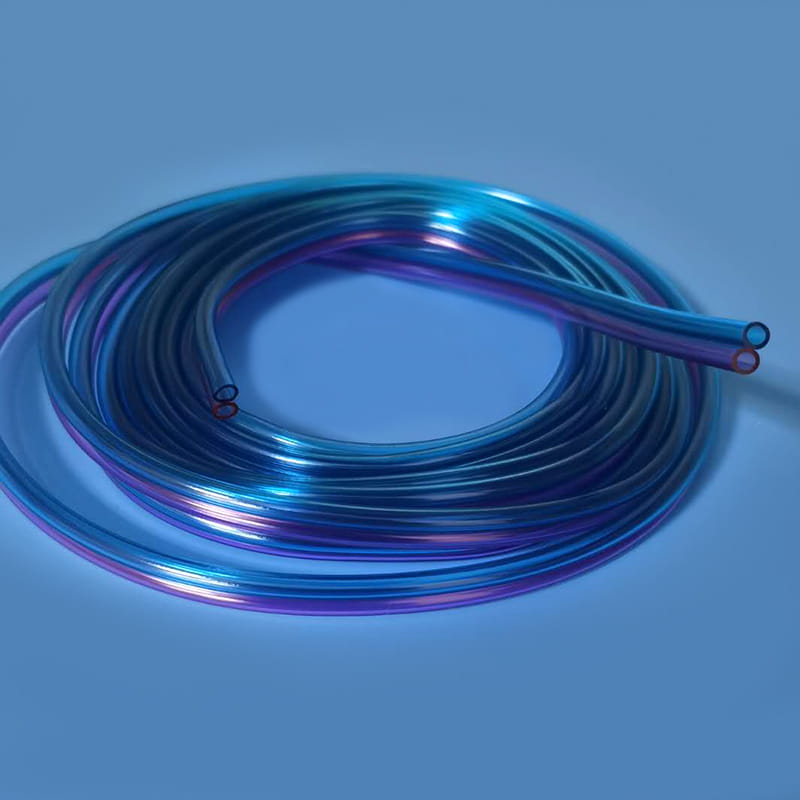
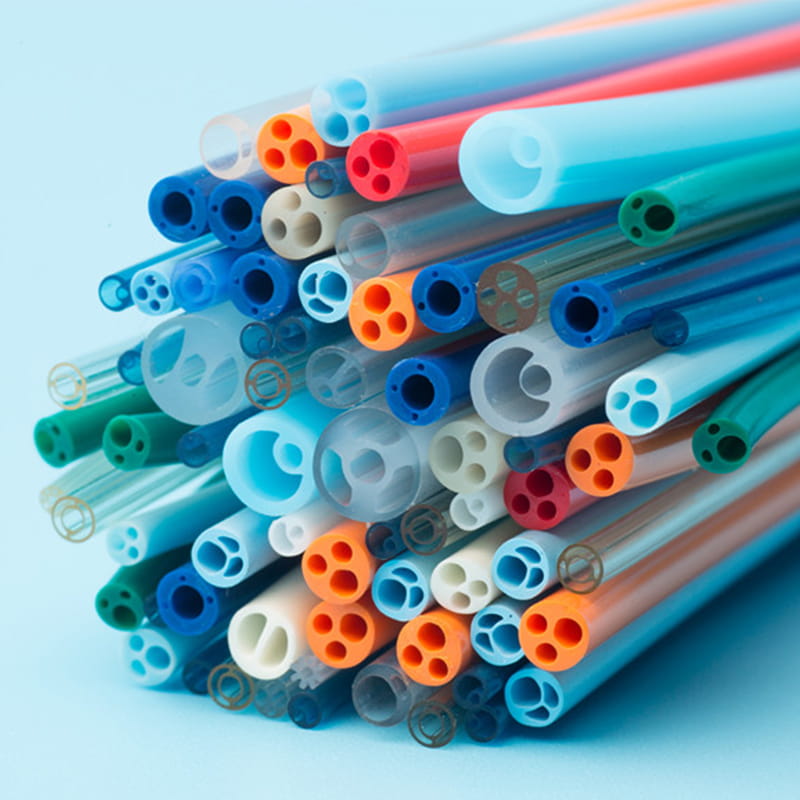
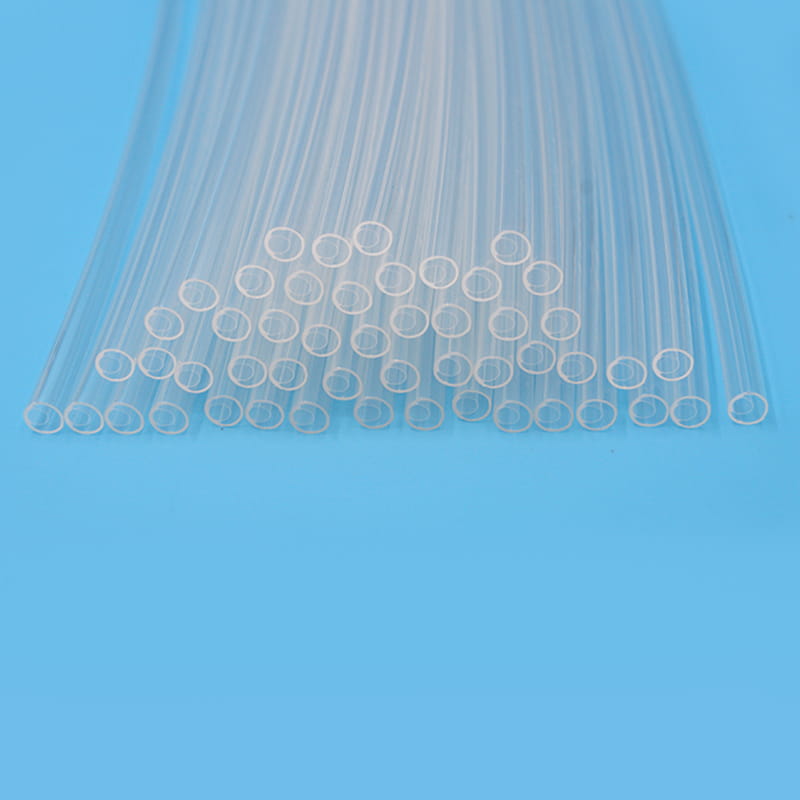
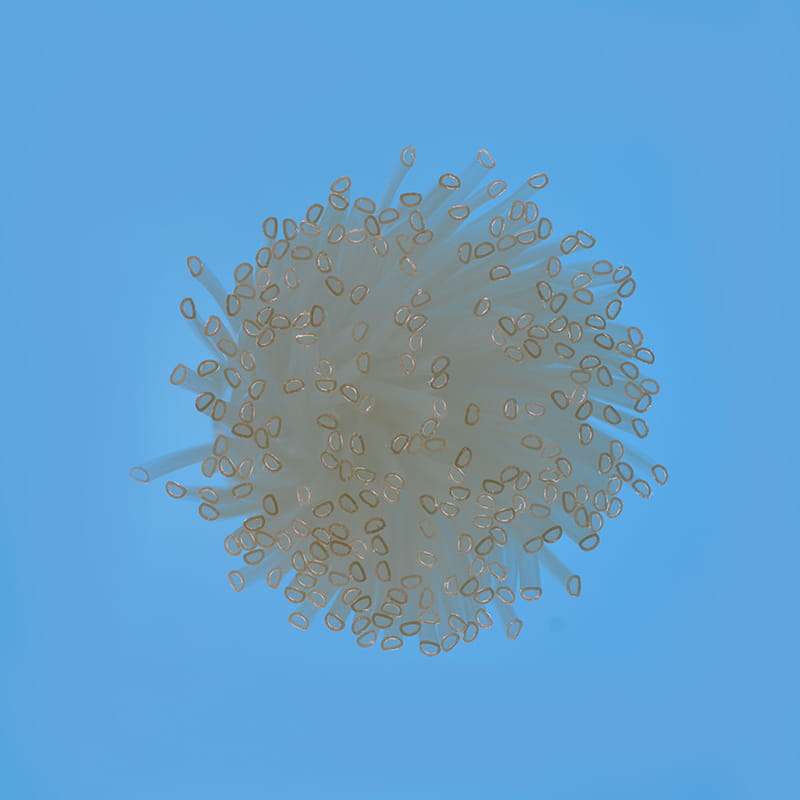
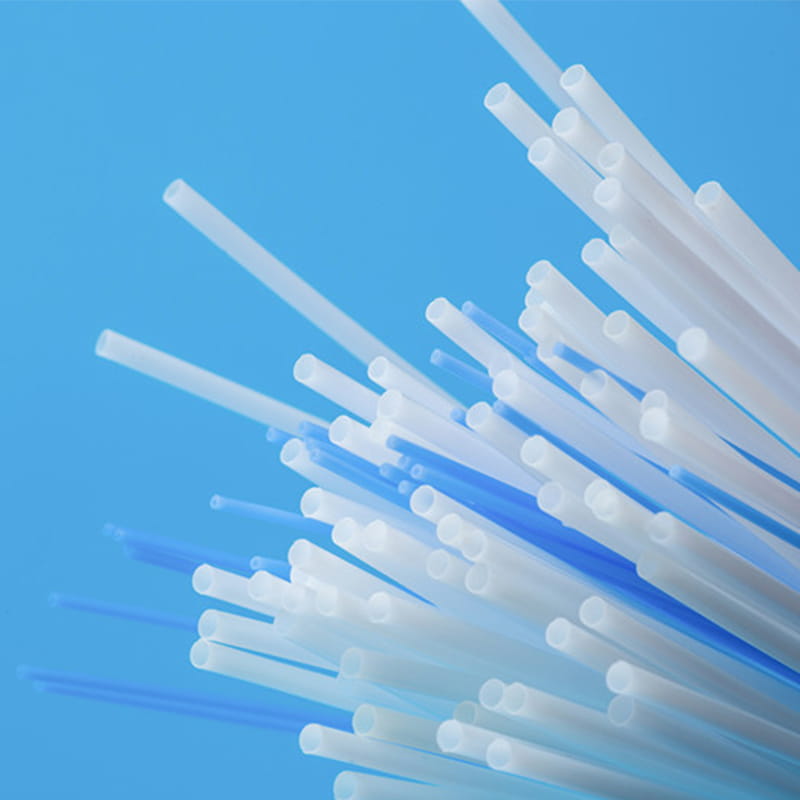
ที่ ชุดสายสวนหลอดเลือดดำกลาง มีส่วนประกอบสำคัญที่หลากหลายซึ่งแต่ละชิ้นมีบทบาทที่ไม่เหมือนใครและไม่สามารถถูกแทนที่ได้ในกระบวนการปฏิบัติการทางการแพทย์ทั้งหมด อย่างแรกคือสายสวนหลอดเลือดดำกลางซึ่งเป็นองค์ประกอบหลักของชุดและเป็นช่องทางที่เชื่อมต่อหลอดเลือดดำกลางด้านนอกร่างกายและภายในร่างกาย วัสดุของมันมักจะทำจาก polyurethane เกรดทางการแพทย์หรือซิลิโคน วัสดุดังกล่าวมีความเข้ากันได้ทางชีวภาพที่ดีและสามารถลดการปฏิเสธของร่างกายของสิ่งแปลกปลอมได้อย่างมีประสิทธิภาพและลดความเสี่ยงของภาวะแทรกซ้อนเช่นการติดเชื้อ สายสวนหลอดเลือดดำชนิดต่าง ๆ มีลักษณะของตัวเองในโครงสร้างและฟังก์ชั่น สายสวนรูเมนเดี่ยวเหมาะสำหรับความต้องการการรักษาเพียงครั้งเดียวในขณะที่สายสวนสองรูเมนหรือหลายรูเมนสามารถดำเนินการทางการแพทย์ที่หลากหลายในเวลาเดียวกันเช่นการแช่, การเก็บเลือดและสำนักงานคณะกรรมการยาซึ่งช่วยปรับปรุงประสิทธิภาพและความสะดวกสบายของการดำเนินงานทางการแพทย์อย่างมาก ในแง่ของการออกแบบพื้นผิวสายสวนบางแห่งได้รับการรักษาด้วยการเคลือบพิเศษเพื่อเพิ่มคุณสมบัติต่อต้านการลิ่มเลือด บางคนยังทำเครื่องหมายด้วยตาชั่งเพื่ออำนวยความสะดวกให้กับเจ้าหน้าที่ทางการแพทย์เพื่อเข้าใจความลึกของการแทรกอย่างแม่นยำ
ที่ cannula plays a pioneering role in the central venous catheter kit. When performing a central venous catheter insertion operation, the cannula is first used for percutaneous puncture into the vein. Its needle tip adopts a bevel cutting process. This design is sharp and precise, and can quickly and accurately penetrate the skin and vein wall with minimal resistance, opening a channel for the entry of subsequent components. The needle core and outer sleeve of the cannula needle are closely matched. When the cannula needle successfully enters the vein, the inner needle core is removed through a special separation mechanism, and the outer sleeve with a certain hardness and flexibility will remain in the vein as a guide channel for subsequent guide wires and other components to enter. To ensure the accuracy of puncture, some cannula needles are also equipped with ultrasound guidance adapters, which can be used with ultrasound equipment to observe the puncture path and blood vessel status in real time.
ที่ guidewire is a key tool for precise positioning and guidance in the central venous catheter kit. After the cannula needle establishes the initial channel, the guidewire will be sent into the vein through the cannula. The outer layer of the guidewire is usually woven from medical-grade stainless steel wire, and the inner layer is a nickel-titanium alloy core. This structure gives the guidewire good flexibility and maneuverability. Doctors can use the J-shaped or straight head design of the guidewire tip to flexibly turn and guide it in the blood vessel through in vitro operation, and accurately send it to the target position. Some high-end guidewires also have a hydrophilic coating, which becomes lubricated after contact with blood, further reducing friction damage to the inner wall of the blood vessel. The existence of the guidewire makes the insertion path of the central venous catheter clearer and more controllable, laying a solid foundation for the smooth insertion of the subsequent catheter.
ที่ role of the dilator in the central venous catheter kit should not be ignored. Since the diameter of the vein is relatively thin, and the central venous catheter needs to be smoothly inserted, it is necessary to properly dilate the vein. The dilator usually adopts a conical or cylindrical design, and the material is mostly medical-grade polyethylene. It can enter the vein along the guidewire and expand the channel of the venous puncture site by gradually expanding. During the expansion process, the smooth surface treatment and gradual caliber design of the dilator can reduce damage to the venous tissue while ensuring effective expansion. For special patients, such as those with thin blood vessel walls or sclerosis, there are also special controllable dilators available, and doctors can accurately adjust the expansion strength and range according to actual conditions.
ที่ peelable sheath is an important part of the central venous catheter kit to ensure the safe insertion of the catheter. After the dilator completes the dilation of the vein, the peelable sheath will be sent into the vein along the guidewire and dilator. The peelable sheath consists of two symmetrical half sheaths connected by a special locking structure in the middle. When the peelable sheath reaches the appropriate position, the central venous catheter will be inserted into the vein through the sheath. At this time, the medical staff will separate the peelable sheath from the middle lock and remove it from the body through a specific operation technique, while the central venous catheter will be left in the vein. This unique design not only ensures the smooth catheter insertion process, but also avoids unnecessary damage to the vein and catheter. To prevent accidental scratches on the surrounding tissue when the sheath is peeled off, the edge of the sheath is specially rounded and blunted.
ที่ fixing device plays a role in stabilizing and fixing the catheter in the central venous catheter kit. In order to ensure that the central venous catheter can maintain a stable position in the patient's body for a long time without displacement or falling off, fixing devices such as sutures, sterile dressings or special catheter fixers will be used to fix the catheter to the patient's skin. The suture fixation method is suitable for patients with long-term catheterization. The catheter is fixed to the skin tissue through delicate suturing operations; the sterile dressing is breathable, waterproof and antibacterial, and can effectively protect the puncture site; the dedicated catheter fixator is made of medical-grade silicone or polymer materials, and can be personalized according to the patient's skin morphology and catheter model through an adjustable buckle design. Appropriate fixation can not only ensure the normal function of the catheter, but also reduce the discomfort and potential risks caused to the patient by the movement of the catheter.
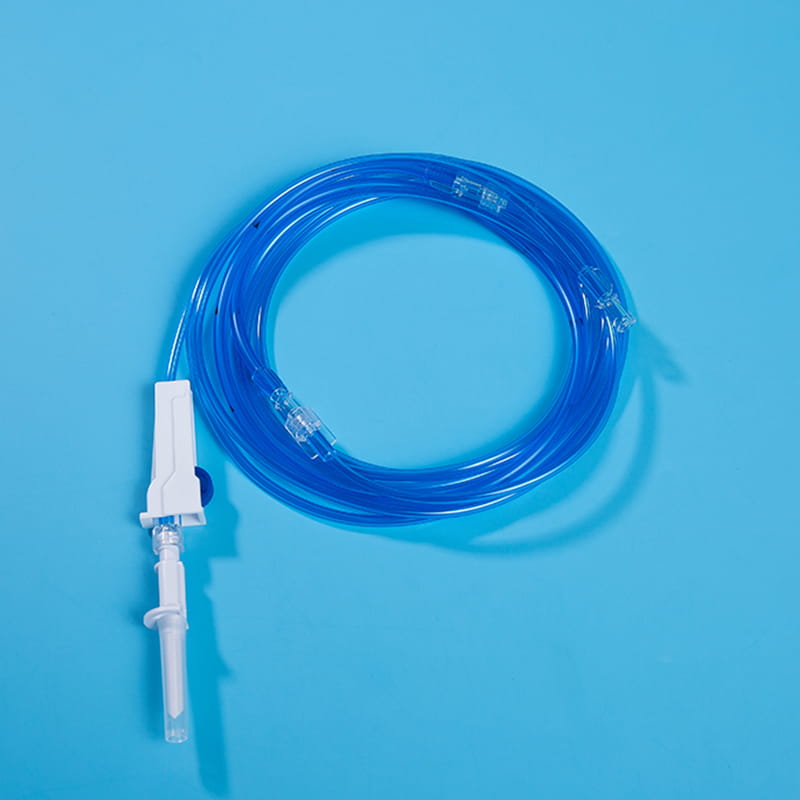
ที่ interface for external connection is the bridge between the central venous catheter and external medical equipment. Through these interfaces, the central venous catheter can be connected to infusion sets, syringes and other equipment to achieve various medical operations such as infusion, drug administration, and blood collection. The design of these interfaces has good sealing and compatibility, and common ones include Luer connectors and needleless infusion connectors. The Luer connector is connected by threads to ensure a tight connection without leakage; the needleless infusion connector adopts a diaphragm design, which can complete the infusion operation without acupuncture, reducing the risk of infection. At the same time, some interfaces also have anti-backflow function to prevent blood from reflux and blocking the catheter, and support multiple devices to be connected at the same time to meet complex clinical needs.
สถานการณ์การใช้งานทางคลินิกที่หลากหลาย
ในการใช้งานทางการแพทย์จริงสถานการณ์การใช้งานของชุดสายสวนหลอดเลือดดำกลางมีความกว้างมาก ในด้านการดูแลผู้ป่วยหนักสำหรับผู้ป่วยที่มีเงื่อนไขสำคัญที่ต้องการการแช่และยาบ่อยครั้งสายสวนหลอดเลือดดำกลางสามารถให้ช่องทางแช่ที่รวดเร็วและมั่นคงเพื่อตอบสนองความต้องการของผู้ป่วยสำหรับของเหลวและยาเสพติด การรับผู้ป่วยที่มีอาการช็อกติดเชื้อเป็นตัวอย่างในระหว่างกระบวนการกู้ภัยต้องมีของเหลวคริสตัลลอยด์จำนวนมากของเหลวคอลลอยด์และยา vasoactive ต้องได้รับการเสริมในช่วงเวลาสั้น ๆ สายสวนหลอดเลือดดำกลางสามารถมั่นใจได้ว่าของเหลวและยาเหล่านี้เข้าสู่การไหลเวียนของเลือดอย่างรวดเร็วและแก้ไขสถานะการกระแทกอย่างรวดเร็ว ในเวลาเดียวกันการตรวจสอบการไหลเวียนโลหิตยังสามารถดำเนินการผ่านสายสวนหลอดเลือดดำกลาง แพทย์เชื่อมต่อเซ็นเซอร์ความดันเข้ากับส่วนต่อประสานสายสวนเพื่อรับพารามิเตอร์เช่นความดันเลือดดำกลางและความดันลิ่มหลอดเลือดแดงปอดแบบเรียลไทม์ซึ่งช่วยให้แพทย์เข้าใจการทำงานของหัวใจของผู้ป่วยและสถานะการไหลเวียนโลหิตในเวลาจริงและเป็นพื้นฐานที่สำคัญสำหรับการกำหนดแผนการรักษาที่แม่นยำ
ในการรักษาด้วยเนื้องอกยาเคมีบำบัดจำนวนมากที่น่ารำคาญอย่างมากต่อหลอดเลือดและการบริหารผ่านหลอดเลือดดำส่วนปลายอาจทำให้เกิดภาวะแทรกซ้อนเช่นโรคไข้หวัด ชุดสายสวนหลอดเลือดดำกลางสามารถวางสายสวนเข้าไปในหลอดเลือดดำกลางช่วยให้ยาเคมีบำบัดสามารถเข้าไปในหลอดเลือดขนาดใหญ่โดยตรงและถูกเจือจางอย่างรวดเร็วซึ่งจะช่วยลดการระคายเคืองต่อหลอดเลือดลดความน่าจะเป็นของภาวะแทรกซ้อนและปรับปรุงการทนต่อการรักษาและการปฏิบัติตาม ตัวอย่างเช่นผู้ป่วยมะเร็งเต้านมที่ได้รับยาเคมีบำบัดที่ระคายเคืองอย่างมากเช่น doxorubicin สามารถใช้สายสวนหลอดเลือดดำกลางเพื่อหลีกเลี่ยงผลกระทบร้ายแรงเช่นเนื้อร้ายผิวหนังและแผลที่เนื้อเยื่อที่เกิดจากยาเสพติด ในเวลาเดียวกันสำหรับผู้ป่วยที่ต้องการเคมีบำบัดระยะยาวและหลายชนิดสายสวนหลอดเลือดดำกลางลดความเจ็บปวดของการเจาะซ้ำและปรับปรุงความต่อเนื่องของการรักษา
นอกจากนี้ในการรักษาด้วยการสนับสนุนทางโภชนาการสายสวนหลอดเลือดดำกลางสามารถใช้สำหรับการสนับสนุนทางโภชนาการทางหลอดเลือดโดยรวมสำหรับผู้ป่วยที่ไม่สามารถรับสารอาหารเพียงพอผ่านทางเดินอาหารเช่นผู้ป่วยที่มีอาการโคม่าระยะยาวและการเผาไหม้รุนแรง การให้สารละลายสารอาหารที่มีความเข้มข้นสูงและมีแคลอรี่สูงผ่านหลอดเลือดดำกลางสามารถตอบสนองความต้องการของร่างกายของผู้ป่วยสำหรับสารอาหารและส่งเสริมการฟื้นตัวของผู้ป่วย การรับผู้ป่วยที่มีการเผาไหม้อย่างกว้างขวางเป็นตัวอย่างการทำงานของระบบทางเดินอาหารของพวกเขาจะถูกระงับเนื่องจากการบาดเจ็บและพวกเขาไม่สามารถย่อยและดูดซับอาหารได้ตามปกติ ในเวลานี้สารละลายสารอาหารแบบ all-in-one ที่มีกรดอะมิโนอิมัลชันไขมันกลูโคสและส่วนผสมอื่น ๆ จะได้รับผ่านสายสวนหลอดเลือดดำกลางเพื่อรักษาสมดุลไนโตรเจนของผู้ป่วยเติมพลังงานที่ร่างกายต้องการและเร่งการรักษาแผล ในขณะเดียวกันเจ้าหน้าที่ทางการแพทย์ยังสามารถตรวจสอบอิเล็กโทรไลต์ของผู้ป่วยน้ำตาลในเลือดและตัวชี้วัดอื่น ๆ ผ่านสายสวนหลอดเลือดดำกลางและปรับแผนการสนับสนุนทางโภชนาการในเวลา
ขั้นตอนการดำเนินงานที่เข้มงวดและเป็นมาตรฐาน
ที่ operating procedures of the central venous catheter kit need to strictly follow the specifications and standards. Before the operation, the doctor needs to conduct a comprehensive assessment of the patient's condition, including the patient's age, weight, underlying diseases, coagulation function, etc., and select the appropriate puncture site and central venous catheter type. Common puncture sites include the internal jugular vein, subclavian vein and femoral vein. Different sites have their own advantages and disadvantages, and they need to be carefully selected according to the specific situation of the patient. At the same time, detailed explanations and communication should be given to the patient, and the patient should be informed of the operation process, possible risks and key points of cooperation to obtain the patient's cooperation. During the operation, the principle of aseptic operation must be strictly followed. The puncture site must be disinfected with iodine more than three times, and the diameter of the disinfection range must not be less than 15 cm. A large sterile sheet must be laid to ensure that the entire operation is carried out in a sterile environment. Then follow the steps of trocar puncture, guide wire insertion, dilation with a dilator, insertion of a removable sheath, insertion of a central venous catheter, fixation of the catheter, and connection of an external interface. Taking internal jugular vein puncture as an example, under ultrasound guidance, after determining the puncture point, the trocar is inserted at an angle of 30-45 degrees. After seeing the blood return, it is confirmed that it is in the vein, and then the subsequent components are inserted according to the process. After the operation is completed, the patient needs to be closely observed and cared for, and the patient must be monitored for complications and treated in a timely manner. This includes observing whether the puncture site is red, swollen, or exuded, and changing the dressing regularly; monitoring the patient's body temperature, blood routine, and other indicators to determine whether an infection has occurred; evaluating the function of the catheter to ensure smooth infusion, blood collection, and other operations.
ความท้าทายและความเสี่ยงที่ต้องเผชิญ
แม้ว่าชุดสายสวนหลอดเลือดดำกลางมีบทบาทสำคัญในด้านการแพทย์ แต่พวกเขาก็เผชิญกับความท้าทายและความเสี่ยงบางอย่างระหว่างการใช้งาน การติดเชื้อเป็นหนึ่งในภาวะแทรกซ้อนที่พบบ่อยที่สุดของสายสวนหลอดเลือดดำกลาง เนื่องจากสายสวนถูกทิ้งไว้ในร่างกายเป็นเวลานานจึงเป็นเรื่องง่ายสำหรับแบคทีเรียและจุลินทรีย์อื่น ๆ ที่จะบุกรุกทำให้เกิดการติดเชื้อในท้องถิ่นหรือการติดเชื้อในระบบ แบคทีเรียส่วนใหญ่เข้าสู่ร่างกายผ่านการตั้งอาณานิคมของผิวหนังที่บริเวณที่มีการเจาะการปนเปื้อนของขั้วต่อสายสวนและการปนเปื้อนของระบบการแช่ การเกิดลิ่มเลือดยังเป็นปัญหาที่ไม่สามารถเพิกเฉยได้ สายสวนอาจกระตุ้นหลอดเลือด endothelium ในหลอดเลือดทำให้เกิดการเปลี่ยนแปลงของการแข็งตัวของเลือด เมื่อลิ่มเลือดร่วงหล่นอาจทำให้เกิดภาวะแทรกซ้อนที่ร้ายแรงเช่นเส้นเลือดอุดตันที่ปอด นอกจากนี้ปัญหาเช่นการอุดตันของสายสวนและการกระจัดอาจส่งผลกระทบต่อการใช้งานปกติและผลการรักษาของสายสวนหลอดเลือดดำกลาง การอุดตันของสายสวนอาจเกิดจากการสะสมของยาการแข็งตัวของเลือด ฯลฯ ; การกระจัดสายสวนอาจเกี่ยวข้องกับปัจจัยต่าง ๆ เช่นกิจกรรมผู้ป่วยที่ไม่เหมาะสมและการตรึงแบบหลวม ๆ
For more information, please call us at +86-18913710126 or email us at .
ท่อโพลีอิไมด์กลายเป็นสิ่งที่ขาดไม่ได้ในวิศวกรรมอุปกรณ์ทางการแพทย์สมัยใหม่ ตั้งแต่สายสวนที่...
ทำความเข้าใจกับท่อปลอกป้องกัน FEP Guidewire ขั้นตอนทางการแพทย์ที่มีการบุก...
A หลอดปั๊ม peristaltic ทางการแพทย์ เป็นส่วนประกอบการถ่ายโอนของเหลวแบบพิเศษที่ออกแบบ...
วิวัฒนาการของเทคโนโลยีการแสดงภาพสายสวน กระบวนการที่มีการบุกรุกน้อยที่สุดได้เปลี่ยนแปลงพื...
ทำความเข้าใจกับสายสวนทางการแพทย์ในการดูแลสุขภาพยุคใหม่ อุปกรณ์การแพทย์ได้ปฏิวัติการดูแลผ...
สายสวนตรงไปถึงทางเดินหายใจส่วนใหญ่ แต่เซนติเมตรสุดท้ายเข้าไปในสาขาแช่งชักหักกระดูกหรือเส้นทา...